Author: IvonneNicole

  • How to Refresh Your Home for a New Season (Without a Full Makeover)

    How to Refresh Your Home for a New Season (Without a Full Makeover)

    As the seasons change, so does the feeling of our homes. Refreshing your space doesn’t have to mean a full makeover or a big budget. In fact, some of the most effective seasonal home decor updates come from small, intentional changes that make your space feel lighter, calmer, and more inviting.

    With a few thoughtful home decor updates and simple styling swaps, you can welcome a new season and bring fresh energy into your home — without renovating or replacing everything you own.

    This post may contain affiliate links. Please see my discloser page for more information.

    1. Swap Out Textiles for an Instant Refresh

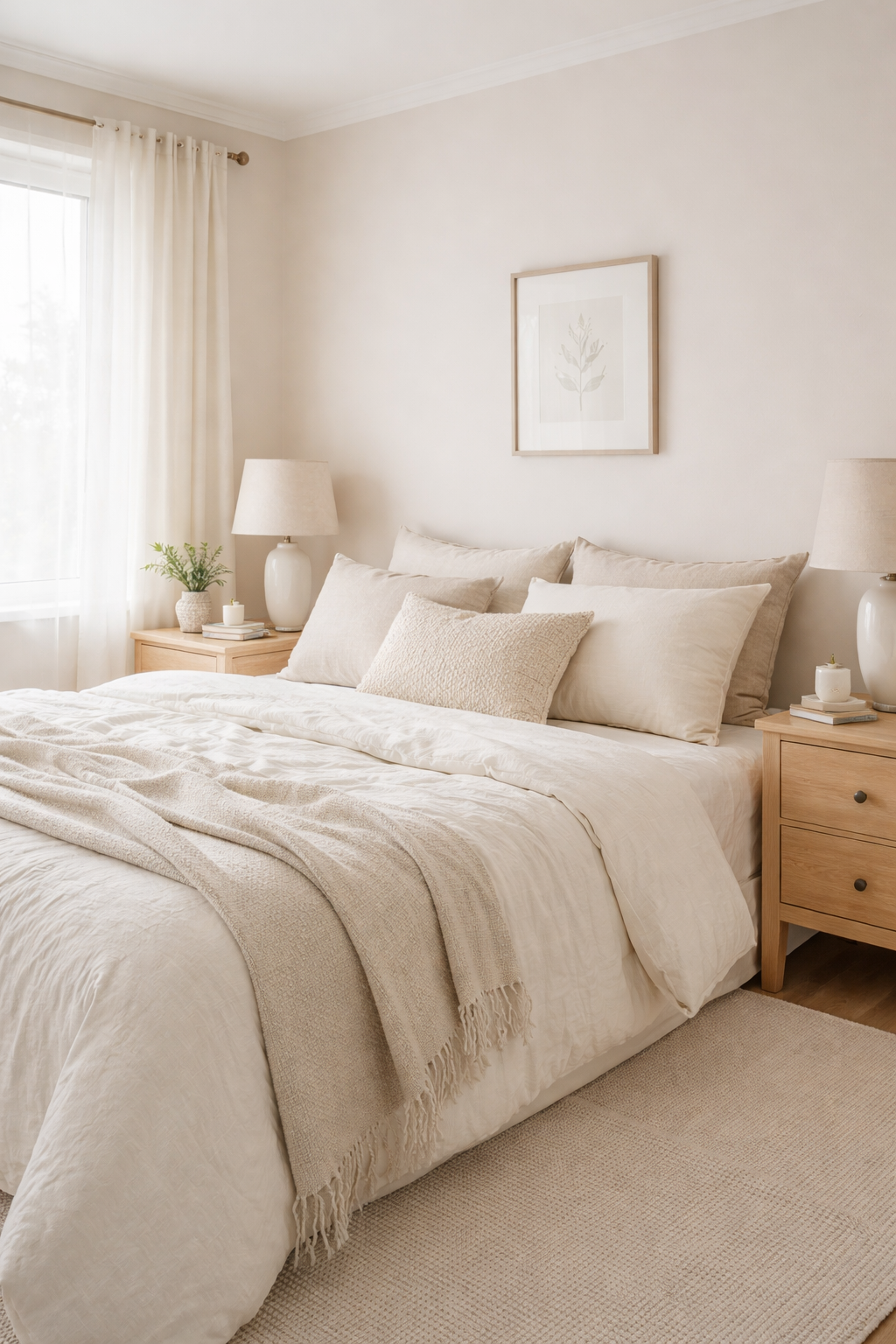
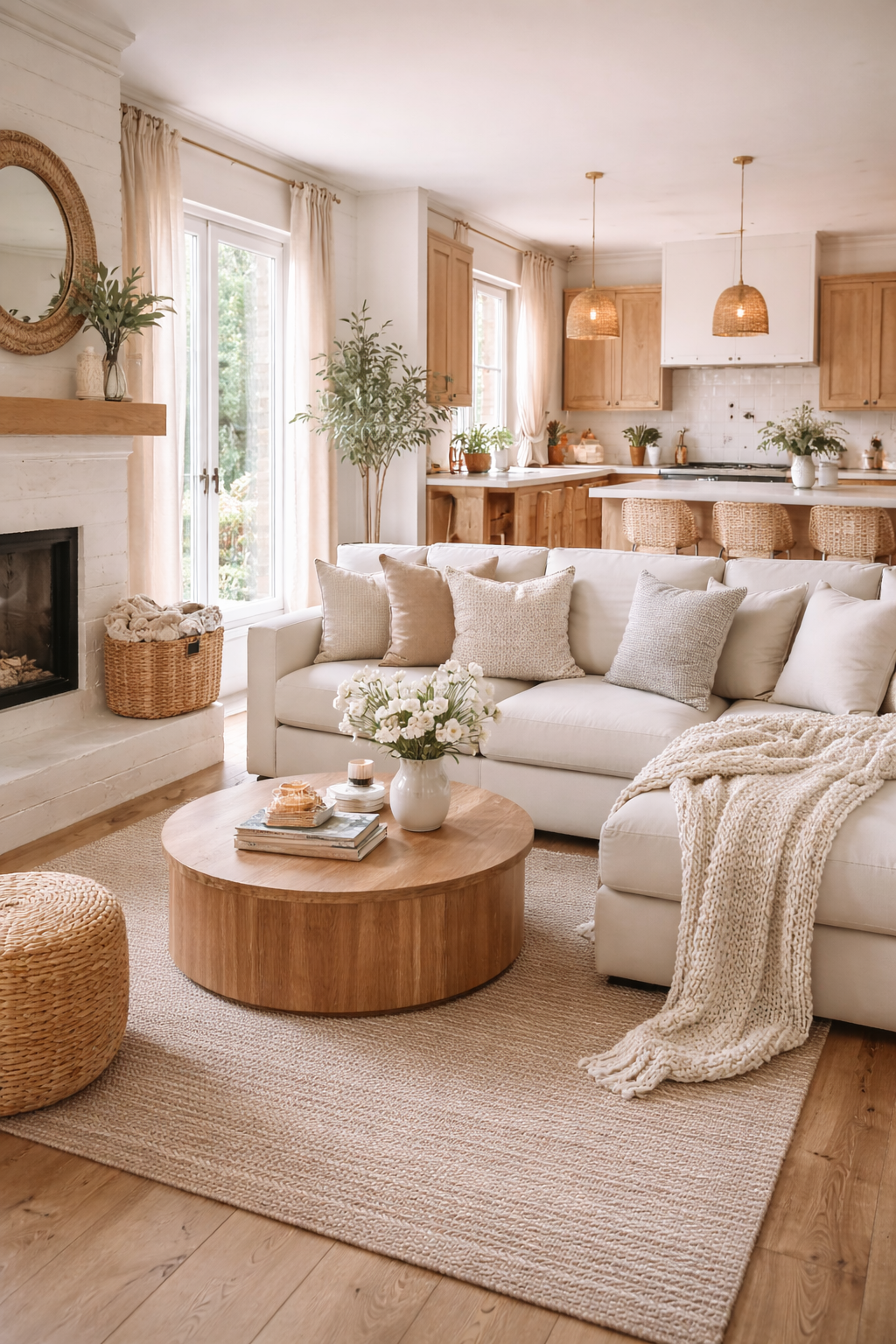
    Changing textiles is one of the easiest ways to refresh your home for a new season. Swapping out throw pillows, throw blankets, curtains, or rugs allows you to shift the mood of a room without moving furniture or repainting walls.

    Lightweight fabrics and breathable materials work beautifully for warmer months, while textured throws and cozy knits add warmth during cooler seasons. These small changes instantly make your home feel updated and intentional.

    2. Refresh Your Color Palette with Simple Accents

    You don’t need to repaint your walls to embrace seasonal color changes. Updating your color palette through small decor accents is an easy and budget-friendly way to refresh your space.

    Neutral vases, soft pastels, or warm earthy tones layered throughout your home help create a cohesive look that feels current and balanced. Decorative accents are especially effective because they can be rotated seasonally without committing to a permanent change.

    3. Bring in Natural Elements for a Fresh Feel

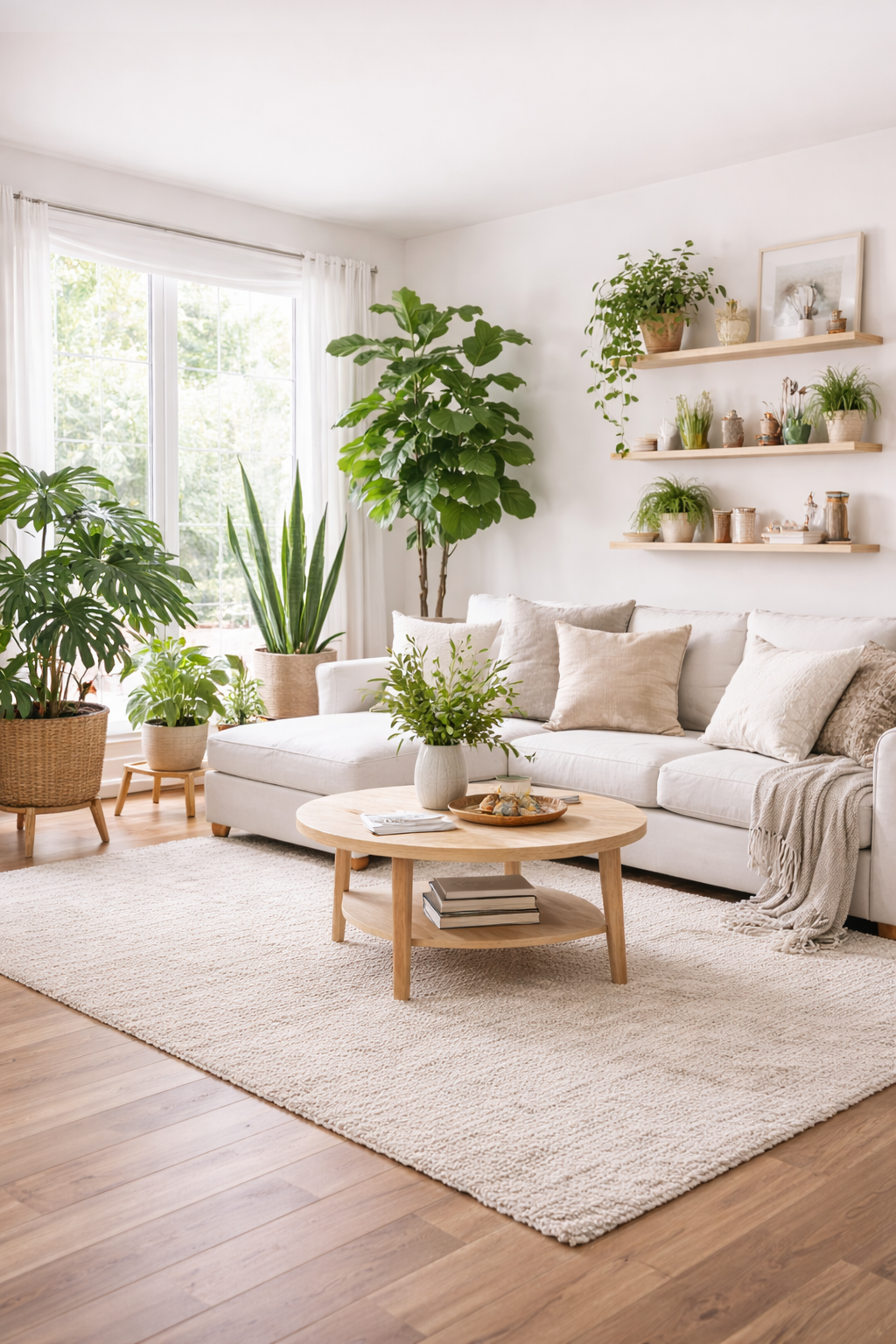
    Plants, fresh flowers, branches, or natural materials like wood and woven baskets help your home feel alive and connected to nature. Adding one or two indoor plants can instantly refresh a room and bring in a sense of calm without overwhelming your space.

    If maintaining plants feels overwhelming, faux plants offer the same aesthetic with zero upkeep. Even one small plant can make a noticeable difference in how a room feels.

    4. Declutter and Reset Your Space

    A seasonal refresh is the perfect time to declutter and reset your home. Clearing off surfaces, shelves, and forgotten corners allows your space to feel lighter and more open.

    Decorative storage baskets makes this process easier while keeping your home visually calm. When everything has a place, maintaining a tidy space becomes much more manageable.

    5. Update Your Lighting to Set the Mood

    Lighting plays a huge role in how your home feels. Swapping harsh bulbs for warm light bulbs or adding a table lamp can instantly change the atmosphere of a room.

    Soft lighting creates a cozy, inviting glow that works year-round and helps your home feel more relaxed and welcoming — especially in the evenings.

    6. Restyle Your Existing Decor

    Sometimes your home doesn’t need new decor — it just needs a fresh perspective. Try moving decor pieces to different rooms, rearranging shelves, or creating a new focal point using items you already own.

    Restyling helps your home feel refreshed without additional spending and allows you to rediscover pieces you may have overlooked.

    7. Add Seasonal Scents to Complete the Refresh

    Scent plays a powerful role in how a space feels. Using an essential oil diffuser with seasonal oils can help refresh your home and create a welcoming, calming atmosphere.

    Choose light, fresh scents for warmer months and warmer, comforting aromas for cooler seasons.

    8. Create a Cozy Corner to Slow Down

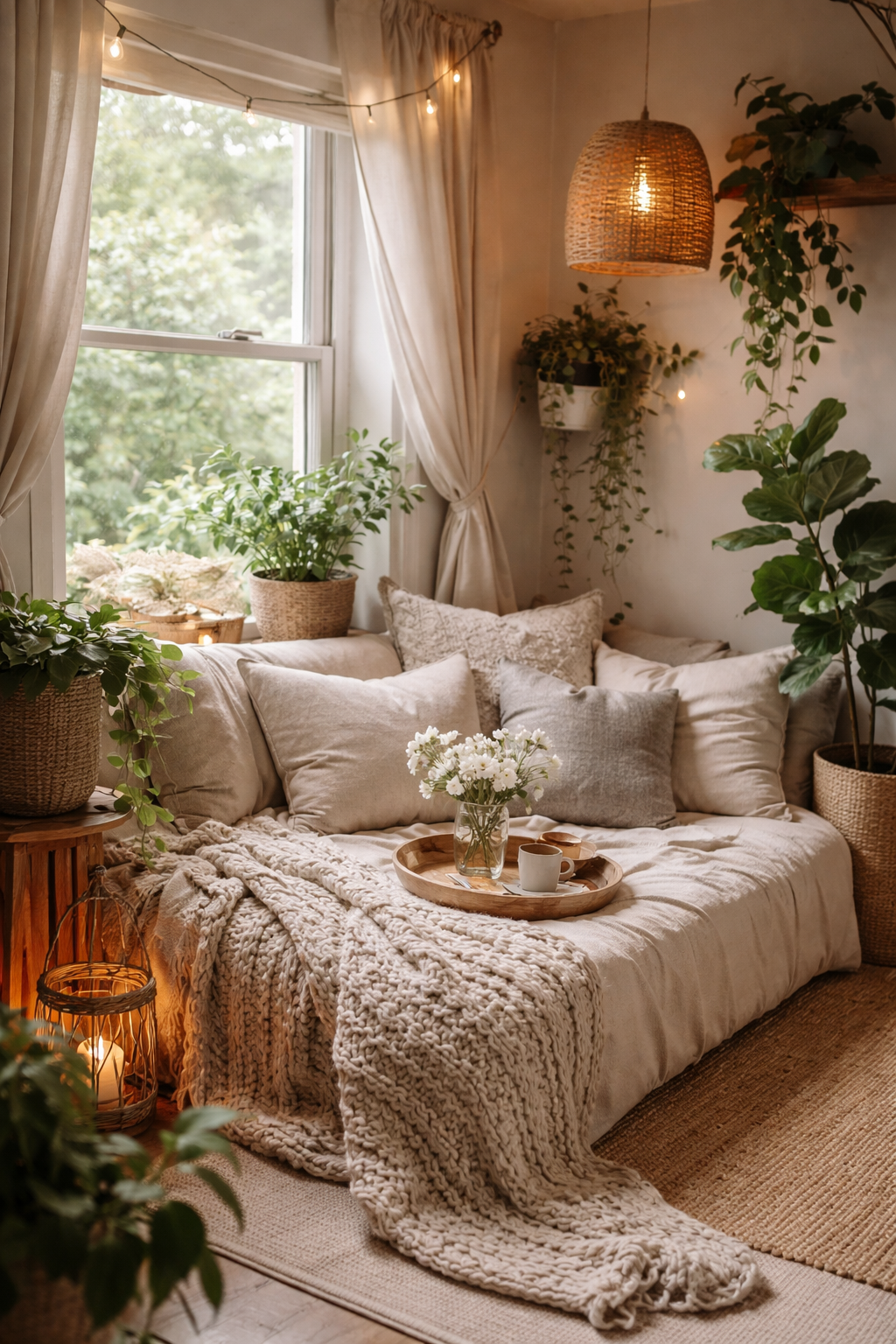
    Designating a small, cozy corner in your home gives you a place to unwind and enjoy the season. A comfortable chair, soft throw blanket, and gentle lighting can turn any unused space into a peaceful retreat.

    This type of intentional space encourages rest and makes your home feel more supportive and lived-in.

    Refreshing your home for a new season isn’t about buying more — it’s about choosing intentional updates that support how you want your space to feel. With a few simple changes, thoughtful decor swaps, and functional accents, your home can feel renewed, calm, and welcoming year-round.

  • Finding Your Sanctuary: Why You Need a Personal Retreat at Home

    Finding Your Sanctuary: Why You Need a Personal Retreat at Home

    Why You Need a Personal Retreat

    Life today is fast, noisy, and constantly demanding your attention. Between work, family, and endless digital distractions, it’s easy to feel mentally drained and emotionally overwhelmed. That’s why creating a personal retreat at home isn’t a luxury — it’s a practical way to step back, reset, and protect your well-being. A personal retreat doesn’t need to be large or expensive; it simply needs to be intentional, comforting, and designed for you.

    This post may contain affiliate links. Please see my discloser page for more information.

    Creating Your Perfect Corner

    Creating your personal retreat begins with choosing the right location in your home. This could be a quiet corner of your living room, a peaceful spot in your bedroom, or even a small area near a window where natural light helps you unwind. The goal is to designate a space that feels separate from daily distractions and reserved solely for rest. Once the location is set, personalize it with a few comforting elements — soft cushions, a favorite book, or a calming plant — to create an environment that feels inviting and emotionally grounding.

    The Benefits of Your Personal Space

    Having a dedicated personal retreat space offers more than just comfort — it creates a reliable boundary between you and constant stimulation. This space allows for intentional solitude, giving you room to reflect, meditate, or journal without distractions. Using supportive tools like a comfortable meditation cushion or a guided mindfulness app can make these moments more effective and easier to stick with long term.

    Beyond relaxation, a personal retreat can also improve productivity and creativity. Stepping into a quiet, familiar space signals to your brain that it’s time to slow down or focus, depending on your needs. Many people enhance this experience with noise-canceling headphones or a white noise machine to block out background distractions and reduce mental fatigue.

    Regularly retreating to this space also encourages consistent self-care rituals. Whether you’re writing in a guided journal, practicing breathwork, or enjoying a cup of calming herbal tea, dedicating time to yourself supports emotional balance and mental clarity. In a world that prioritizes constant availability, having a personal retreat designed for pause can significantly improve well-being and resilience.

    Designing a Personal Retreat That Calms the Senses

    A truly effective personal retreat does more than look nice — it engages your senses in a way that signals safety and calm to your body. Small, intentional choices in lighting, texture, sound, and scent can dramatically change how restorative the space feels.

    Start With Soft, Gentle Lighting

    Harsh overhead lighting keeps your brain alert and tense. Instead, opt for warm, low lighting that creates a sense of ease. A small table lamp, soft-glow bulb, or even candlelight can help your nervous system relax and make the space feel more inviting, especially in the evening.

    Add Comfort Through Texture

    Physical comfort plays a huge role in mental relaxation. Incorporate soft textures like cushions, throws, or a comfortable meditation cushion that invites you to stay awhile. The more comfortable your body feels, the easier it becomes to slow your thoughts and fully unwind.

    Minimize Noise and Distractions

    Sound can either soothe or stress you out. If your home is busy or noisy, consider gentle background sounds like white noise, soft music, or nature audio. Creating a consistent sound environment helps your mind associate the space with calm and focus.

    Use Scent to Anchor Relaxation

    Scent is one of the fastest ways to influence mood. Light fragrances like lavender, eucalyptus, or chamomile used with an essential oil diffuser can help signal that it’s time to relax. Over time, using the same scent in your retreat can turn it into a powerful cue for rest and emotional reset.

    By thoughtfully engaging your senses, your personal retreat becomes more than just a corner — it becomes a space your mind and body recognize as a place to pause, reset, and recharge.

  • 10 Simple Tips to Organize Your Pantry Like a Pro

    10 Simple Tips to Organize Your Pantry Like a Pro

    An organized pantry makes everyday life easier — from faster meal prep to less food waste and way less stress. If your pantry feels cluttered, overcrowded, or impossible to keep tidy, you’re not alone.

    The good news? You don’t need a full renovation to create a functional, organized pantry. With a few smart pantry organization ideas and the right storage solutions, you can transform even a small pantry into a space that actually works for you.

    Below are simple, practical pantry organization tips that will help you create a clean, efficient pantry — without overcomplicating the process.

    This post may contain affiliate links. Please see my discloser page for more info.

    1. Start with a Clean Slate

    Before diving into organizing your pantry, take everything out and give the shelves a good clean using a pantry-safe cleaning spray. This step not only gives you a clear view of what you have, but it also allows you to wipe away any dust or spills that have accumulated over time. Trust me, a clean pantry is the perfect canvas for your organizational masterpiece! Lining shelves with a washable shelf liner can also make future cleanups much easier and protect your pantry surfaces.

    2. Categorize Your Items

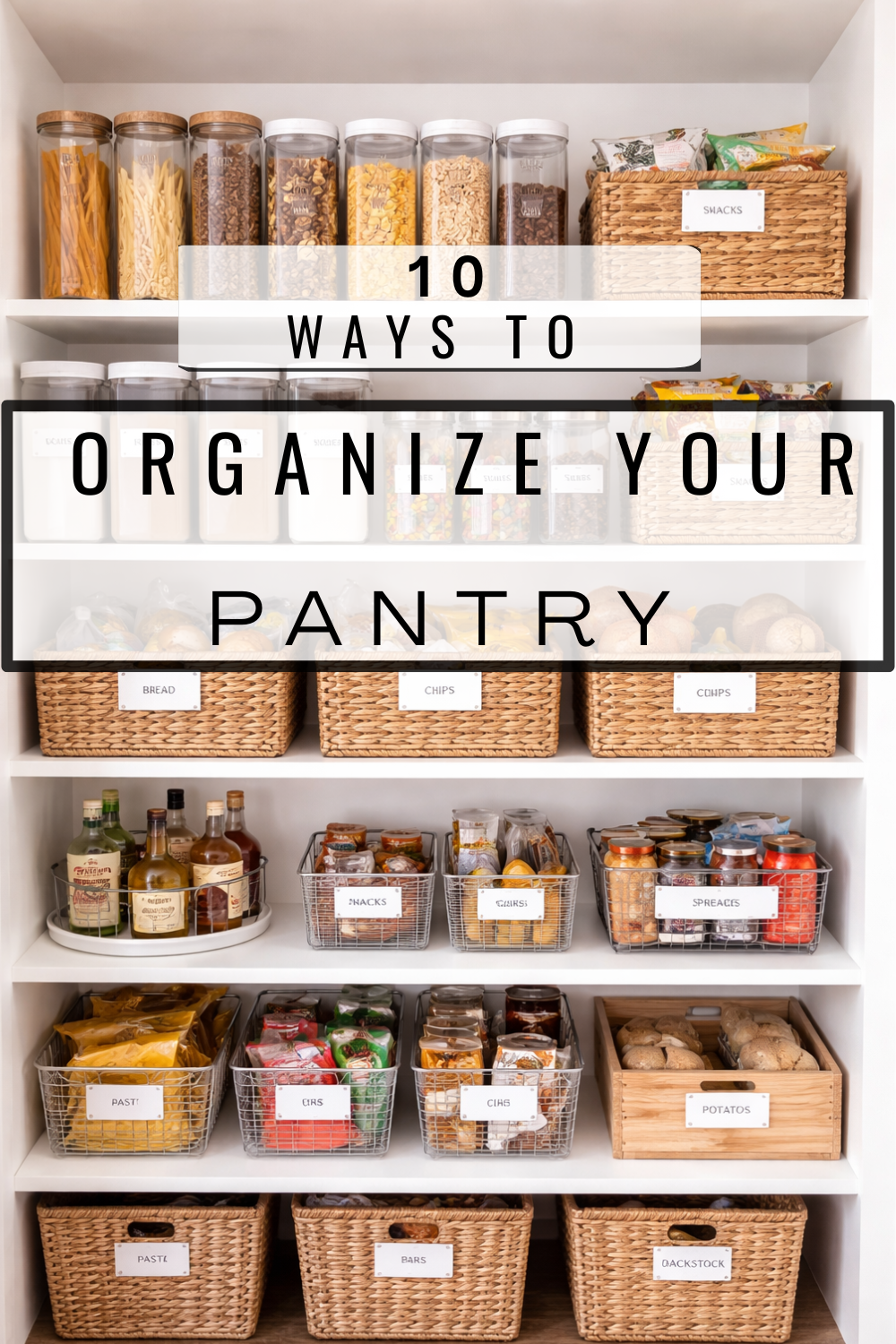
    Once your pantry is squeaky clean, it’s time to categorize your items using pantry bins or baskets to keep everything grouped and easy to access. Group similar products together — snacks, baking supplies, canned goods, and cereals— using labeled storage bins to keep everything clearly defined. This way, you’ll know exactly where to find what you need, and it gives your pantry that polished look. Using baskets or bins for each category keeps everything contained and visually tidy.

    3. Use Clear Containers

    Investing in clear pantry containers can instantly make your pantry feel more organized and functional. Clear containers allow you to see what you have at a glance, reduce packaging clutter, and create a uniform look that feels intentional rather than chaotic.

    I love using clear airtight pantry containers for dry goods and clear containers with labels to keep everything easy to identify.

    4. Label Everything

    Speaking of labels, they’re a game changer when it comes to organization. Label your containers, shelves, and even drawers so everyone in your household knows where things belong. This helps prevent pantry chaos and saves time during meal prep. Using pre-made pantry labels or a simple label maker keeps everything consistent and easy to maintain.

    5. Take Advantage of Vertical Space

    Don’t let that vertical space go to waste! Shelf risers, stackable bins, and door-mounted organizers are game changers, especially in small pantries. This approach ensures you don’t miss out on any headroom, making your pantry as efficient as possible.

    6. Keep Frequently Used Items Accessible

    Place the items you use most often at eye level or in the front. Doing this makes daily cooking a breeze since you won’t have to dig through piles of goods to find that jar of spaghetti sauce! Lazy Susans and pull-out organizers make frequently used items even easier to reach.

    7. Invest in Adjustable Shelving

    If your pantry allows, investing in adjustable pantry shelving can completely transform how functional your space feels. Adjustable shelves give you the flexibility to customize heights, making room for taller items, bulk groceries, and changing storage needs over time.

    8. Create a Snack Zone

    Have kids in the house? Consider creating a designated snack zone. Use a lower shelf or a clear snack storage bin to store easy-to-grab snacks and keep everything visible and organized. This keeps them organized and encourages healthier eating habits, as kids won’t have to sift through all your other pantry items.

    9. Rotate Items Regularly

    It’s easy to lose track of expiration dates, so make a habit of rotating items. Place newer items in the back and older ones in front. This will help ensure that you’re using what you have before it goes bad.

    10. Do a Pantry Check-Up

    Finally, schedule a monthly pantry check-up. Use this time to sort through items, throw away expired goods, and decide if anything needs to be reorganized. Keeping your pantry in top shape will save you time and stress in the long run!

    An organized pantry isn’t just about looks — it saves time, reduces waste, and makes everyday routines easier. With a few smart pantry storage solutions and simple organization habits, you can create a pantry that stays functional long-term.

    Start small, choose storage pieces that fit your space, and focus on systems that are easy to maintain. A well-organized pantry truly makes a difference.

  • Closet Organization Ideas for a Calm, Functional Space

    Closet Organization Ideas for a Calm, Functional Space

    Different Ways to Organize Your Closet for a Calm, Functional Space

    An organized closet can completely change how you start and end your day. When everything has a place, getting dressed feels easier, your space feels calmer, and your closet becomes something you actually enjoy using. The good news is that with the right closet organization ideas, you don’t need a full renovation or expensive system — just simple solutions that support your daily routine.

    This post may contain affiliate links. Please see my discloser page for more info.

    Start With a Clean Reset

    Before organizing your closet, take everything out. This step may feel overwhelming, but it’s essential for creating a calm, functional space. Sorting through your clothing allows you to declutter items you no longer wear and make room for pieces you truly love. A decluttered closet is the foundation of effective closet organization.

    Organize Your Closet by Category

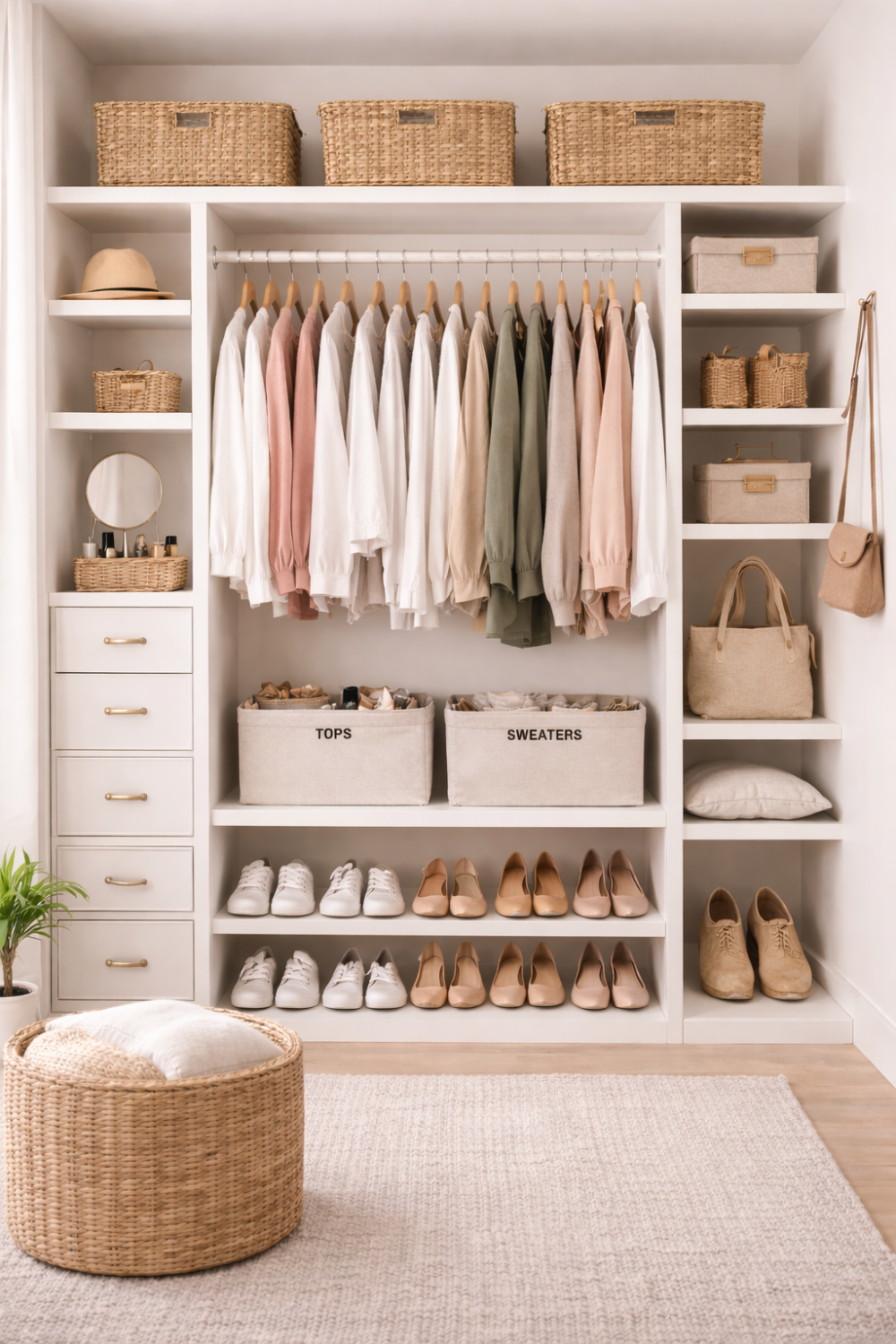
    Grouping similar items together instantly makes a closet feel more orderly. Hang tops with tops, pants with pants, and dresses together using matching velvet hangers that keep clothing from slipping and create a uniform look. Shoes, bags, and accessories should each have their own section, using shoe storage racks or clear storage bins to keep everything visible and easy to access.

    This simple method makes it easier to see what you own and helps keep your closet from feeling chaotic.

    Use Storage That Fits Your Space

    Every closet is different, so choose closet storage solutions that fit your layout. Bins and baskets are great for shelves, while drawer organizers help keep smaller items like accessories and undergarments tidy. Clear storage containers work well if you like seeing everything at a glance, while fabric or woven baskets add a softer, decorative touch to your closet.

    Maximize Vertical Space

     If your closet feels cramped, look up. Adding hanging organizers, shelf dividers, helps you use vertical space more efficiently and keeps items separated and easy to access. Stackable storage bins are also helpful for maximizing shelf space, while double hanging rods can instantly create more room for shorter items like shirts and jackets.

    Create an Everyday Closet Section

    Designate an area for the clothes you wear most often so they’re always within easy reach. Using slim velvet hangers or drawer dividers helps keep everyday essentials organized and prevents clutter from building up over time. This simple system makes your closet more functional and easier to maintain.

    Add Personal Touches

    A closet doesn’t have to be purely practical. Small details like matching hangers, soft LED closet lighting, or a decorative tray can make the space feel more intentional and enjoyable to use. These personal touches help transform your closet from simple storage into a space you actually enjoy spending time in.

    Organizing your closet is about creating a system that supports your daily routine. With thoughtful organization and simple storage solutions, your closet can become a calm, functional space that makes your life a little easier every day.